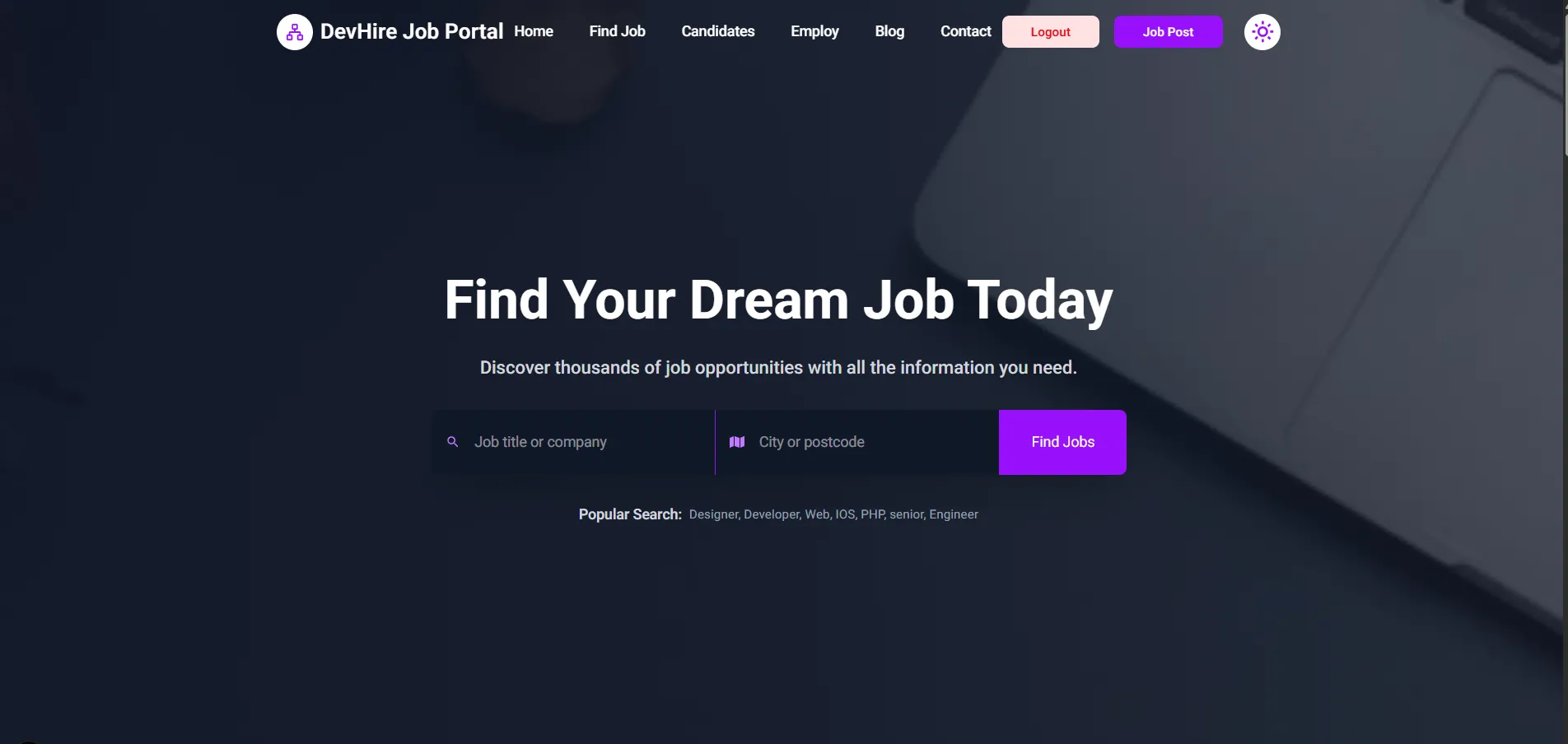
JobSikar - Modern Job Portal Platform
A full-stack job portal platform built with Next.js 15, featuring dynamic job listings, advanced search filters, admin dashboard, and real-time application tracking. Designed for both job seekers and employers with role-based access control.
Jul 2025 - Present
Web Application
Technologies
#Next.js#TypeScript#MongoDB#NextAuth#Tailwind CSS#TanStack-Query#zod
Key Features
- Dynamic job search with advanced filters (title, location, category)
- Role-based authentication (Admin, Employer, Job Seeker)
- Admin dashboard with analytics and management tools
- Real-time job application tracking
- Employer verification system with blue tick badges
- SEO optimized with Server Components
- Responsive design with dark mode support
- MongoDB Atlas integration for scalable data storage
Case Study Overview
# JobSikar - Modern Job Portal Platform
## Overview
JobSikar is a comprehensive job portal platform that connects job seekers with employers. Built with modern web technologies, it provides a seamless experience for posting jobs, searching opportunities, and managing applications.
## Tech Stack
- Frontend: Next.js 15, React 19, TypeScript
- Styling: TailwindCSS, Lucide Icons
- Backend: Next.js API Routes, MongoDB
- Authentication: NextAuth.js with credentials provider
- State Management: React Query, Redux Toolkit
- Deployment: Vercel
- Database: MongoDB Atlas
## Features Implemented
- Dynamic Pages: Find Jobs, Candidates, Blog, Contact
- Admin Panel: Complete CRUD operations for jobs, users, categories
- Search & Filters: Advanced filtering by title, location, category
- Authentication: Secure login/signup with role-based access
- SEO Optimization: Server Components with dynamic metadata
- Performance: Image optimization, code splitting, lazy loading
- Security: Input validation with Zod, password hashing with bcrypt
The Challenge
1. Database Connection Issues**: Initially faced challenges with MongoDB Atlas connection and database naming conflicts between local and production environments.
2. Image Optimization**: Next.js image optimization was throwing 502 errors on Vercel due to remote pattern configuration.
3. SEO Implementation**: Converting client components to server components while maintaining interactivity required careful refactoring.
My Solution
1. Database Migration: Created automated migration scripts to consolidate data from test database to production database, ensuring consistency across environments.
2. Axios Configuration: Implemented robust API URL handling that works seamlessly in both local and deployed environments using window.location.origin.
3. Component Architecture: Refactored pages into Server Components for SEO with separate Client Components for interactive features, improving both performance and search engine visibility.
4. Performance Optimization: Added image sizes attributes, implemented lazy loading, and optimized bundle size for faster page loads.